Packaging Insights & Updates
Discover expert advice, technical guides, industry trends, and innovations in custom packaging, thermoforming, and supply chain fulfillment.
What Are the Top Point of Purchase Displays?
Point of Purchase Displays shape what shoppers notice, touch, and remember near the buying decision. They can turn an ordinary shelf into a clear product story. A well-designed display may use height, color, lighting, and concise messaging to guide attention without creating confusion.
The strongest Point of Purchase Displays match the product, store layout, and customer behavior. Countertop units suit small accessories and impulse purchases. Floor displays create visibility in wider aisles. End-cap displays can attract passing shoppers, while interactive units encourage product exploration. Each format requires practical planning, including stability, assembly time, product capacity, and replenishment access.
A bright display can still fail.
Too much color may hide the message. A beautiful structure may also waste valuable floor space. Experienced merchandising teams usually test visibility from several distances, especially from a busy aisle. They check whether customers can understand the offer within a few seconds. Sales data, shopper feedback, and staff observations provide stronger evidence than appearance alone.
This guide explores the top types of Point of Purchase Displays and explains where each option performs best. It considers materials, placement, branding, durability, and measurable retail outcomes. The “best” display is not universal. A compact counter unit may outperform a large installation when space is limited. Seasonal campaigns may also need faster, simpler solutions.
Real results depend on execution.
Retailers should compare design appeal with cost, maintenance, accessibility, and customer convenience. A reliable display supports the shopping experience instead of interrupting it. The following sections examine practical choices, common weaknesses, and selection principles that help brands make more informed decisions.
Definition and Purpose of Point of Purchase Displays
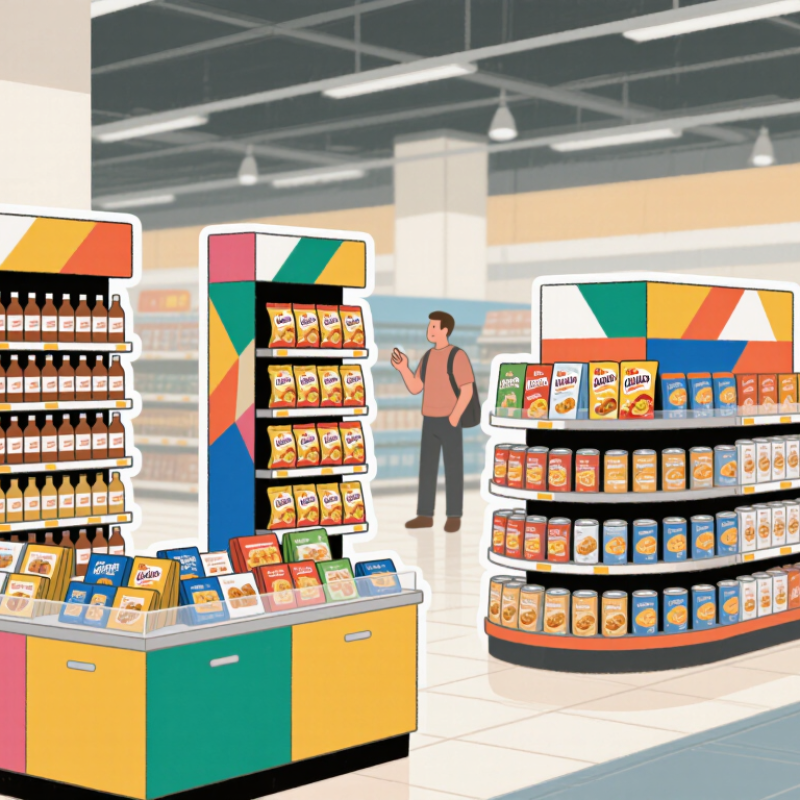
Point-of-purchase (POP) displays are temporary or permanent fixtures placed near the buying decision. They include counter units, floor stands, shelf signs, and checkout trays. Their purpose is practical: to make relevant products easier to notice, understand, and choose. Unlike general store decoration, a POP display works close to the moment of purchase. It connects location with action.
In retail audits, I look at three details: viewing distance, message clarity, and product access. A shopper may see a display from six feet away, then approach it for price and use information. Strong displays answer those questions quickly. A short headline, readable pricing, and stable product placement reduce hesitation. They can also guide traffic, support seasonal offers, or explain a new product feature. Good design does not force attention. It earns it.
However, visibility alone does not prove effectiveness. A tall unit can block a walkway, while a crowded message may confuse shoppers. I have seen attractive displays fail because staff could not replenish them easily. That weakness matters. Measurements should include sales changes, stock availability, shopper movement, and feedback from store employees. Results can vary by location and time of day. A useful display is both persuasive and operational, although that balance is easy to underestimate.
What Are the Top Point of Purchase Displays?
Point of purchase (POP) displays are in-store fixtures or visual materials placed near products to attract attention, explain benefits, encourage product discovery, and support purchase decisions.
The chart shows the reported increase in purchase decisions made inside stores, highlighting why displays such as endcaps, floor stands, shelf talkers, and counter displays are important at the point of purchase. Source: shopper-engagement research reported in 1995 and 2014.
Main Types of Point of Purchase Displays
Point of purchase displays turn ordinary shopping areas into focused decision points.
The best type depends on product size, shopper movement, and available floor space. In retail floor checks, I often see countertop displays near payment areas. They suit small products, samples, and seasonal items. Their compact footprint keeps them visible without blocking staff or customers.
Floor-standing displays create stronger visual impact. They work well for larger products or grouped collections. Adjustable shelves help retailers change the layout as inventory changes.
End-cap displays are another powerful option. Positioned at the end of an aisle, they catch shoppers moving between sections. Clear pricing and front-facing products matter here. A crowded end-cap can lose attention quickly.
Dump bins support quick access to lightweight, individually packed items. They encourage browsing, but products can look untidy after heavy customer use.
Shelf talkers and hanging signs require less space. They highlight discounts, features, or usage ideas beside the product.
Checkout displays target last-minute decisions. They should contain simple choices, because queues leave little time for reading.
In my experience, display performance improves when the message matches the shopper’s immediate need. Lighting, height, and sightlines also deserve regular checks. A display may look excellent during setup but fail after several hours of handling. That weakness is easy to miss. Reviewing sales movement and customer behavior can reveal what needs changing. No single format works everywhere.
Key Features of Effective Purchase Displays
What Are the Top Point of Purchase Displays?
Key Features of Effective Purchase Displays
Effective point of purchase displays guide attention without creating visual noise. POPAI’s 2014 Mass Merchant Shopper Engagement Study reported that 76% of purchase decisions happened inside stores. That figure shows why placement matters. Displays should sit near decision points, not simply fill empty floor space.
Strong displays use three features: clear messaging, useful structure, and physical relevance. A headline should communicate one benefit within seconds. Product spacing should allow easy comparison and natural handling. Durable materials also matter, especially near baskets, checkout lanes, or refrigerated areas. PwC’s 2024 Voice of the Consumer Survey reported that 43% of consumers shop in physical stores weekly. However, frequent visits do not guarantee attention. A beautiful display can still fail when lighting is weak or the message feels generic. That weakness deserves honest testing.
Tips: Keep the message under seven words. Use contrast, but avoid harsh colors. Place the most important product at hand level. Measure interaction, conversion, and replenishment time. Test one change at a time. Staff feedback can reveal practical problems that sales data misses. A display may perform well for one week, then become invisible through repetition. Rotate creative elements carefully, while keeping the core message recognizable.
How Displays Influence Shopper Decisions
What Are the Top Point of Purchase Displays?
A point of purchase display does more than hold products. It shapes what shoppers notice, touch, and remember near the buying moment.
Floor-standing units work well for new arrivals because they create height and visibility across an aisle.
Counter displays suit small, frequently chosen items, especially near payment areas.
End-cap displays attract attention from passing shoppers and simplify comparisons.
Dump bins create urgency, but clutter can reduce trust.
Display design influences decisions through placement, clarity, and physical experience. A shopper may pause when a product sits at eye level, with one clear message and visible pricing. Strong contrast helps from a distance, while open access encourages handling.
In retail observations, tidy displays often support faster choices. Yet this is not automatic. A bright unit may distract from the product, and too many options can cause hesitation.
I have seen attractive displays underperform because staff could not restock them easily. That practical flaw matters.
Tips: Match the display to the shopper’s path, not just the product category. Keep essential information readable within seconds. Test two layouts, then compare engagement and sales carefully. Leave space for hands and baskets. Review the display during busy hours; a design that works at opening may look weak by afternoon. Small details can change decisions.
Choosing the Right Display for Different Retail Settings
What Are the Top Point of Purchase Displays?
Choosing the Right Display for Different Retail Settings
The best point of purchase display depends on shopper movement, product size, and available floor space. A countertop unit suits checkout areas, where customers wait and notice small, useful items. Keep it compact. Excess height can block payment screens or create visual clutter.
Floor-standing displays work well in grocery stores, department stores, and large specialty shops. They hold more stock and can support seasonal campaigns. Place them near natural traffic paths, not in emergency routes or narrow aisles. I have seen attractive displays fail because shoppers could not reach the products comfortably. Convenience stores often benefit from small baskets or rotating racks near the register. These formats encourage quick choices without demanding much space.
Apparel stores need a different approach. Low, open fixtures can present accessories without hiding clothing or mirrors. In electronics settings, secure shelf displays let shoppers compare features while protecting valuable products. Clear labels matter more than decorative graphics. Customers should understand the offer within seconds. That is harder than it sounds.
A useful display should match the store’s pace. Busy locations need durable materials, stable bases, and simple restocking. Quiet boutiques may prefer refined fixtures with fewer products. The ideal height also changes with the audience. Children’s products should remain visible to younger shoppers, while heavy items need lower placement. Test one location, measure interaction, and adjust honestly. A display can look excellent in a plan and still perform poorly in real traffic.
FAQS
Common types include countertop, floor-standing, end-cap, dump bin, shelf talker, hanging sign, and checkout displays. Each suits different products and shopping paths.
Use it near payment areas for small products, samples, or seasonal items. Its compact size protects staff space and keeps items visible.
Floor-standing units create height and visibility across an aisle. Adjustable shelves help retailers change layouts as products and inventory change.
End-cap displays reach shoppers moving between sections. Show front-facing products, simple prices, and enough open space for quick comparison.
Dump bins encourage browsing and quick access to lightweight items. Heavy handling can make them messy, which may reduce shopper trust.
Keep the main message under seven words. State one clear benefit, use readable contrast, and avoid crowded information.
Place it near hand level and within a clear sightline. Leave space for hands, baskets, and natural product handling.
Track interaction, sales movement, conversion, and replenishment time. Review the display during busy hours, not only after setup.
Yes. Weak lighting, generic wording, difficult restocking, or excessive choices can reduce results. Appearance alone is not enough.
Test one layout change at a time and compare results carefully. Rotate creative elements when shoppers stop noticing them, while keeping the core message familiar.
Conclusion
Point of Purchase Displays are strategically designed retail fixtures that present products at the moment shoppers are ready to make a buying decision. Their main purpose is to attract attention, organize merchandise, communicate key benefits, and encourage impulse or planned purchases. Common types include countertop displays, floor-standing units, end-cap displays, dump bins, shelf talkers, and interactive installations. Each format serves a different purpose depending on product size, store layout, customer traffic, and available space.
Effective displays combine clear messaging, appealing visuals, strong product organization, and convenient access. They can influence shopper decisions by increasing visibility, simplifying product comparisons, highlighting promotions, and creating a more engaging shopping experience. When choosing a display, retailers should consider the selling environment, target audience, product characteristics, budget, durability, and maintenance needs. A well-matched display can improve product discovery, strengthen in-store communication, and support higher sales while maintaining a clean and welcoming retail space.

Blog Tags: