Industry Knowledge & News

Packaging Insights & Updates

Discover expert advice, technical guides, industry trends, and innovations in custom packaging, thermoforming, and supply chain fulfillment.

0%

Custom Thermoformed Packaging gives brands more control over product protection, presentation, and production efficiency. It is shaped around a product, rather than forcing the product into a standard container. This approach can reduce movement inside the pack, helping prevent scratches, crushing, and unnecessary returns. A molded tray can hold each component securely, even during warehouse handling and long-distance shipping.

Experienced packaging teams study product dimensions, weight, fragility, and opening behavior before recommending a design. They may test different plastics, wall thicknesses, seals, and cushioning features. Small changes matter. A tighter cavity can improve stability, while a poorly placed edge may make removal frustrating. Practical trials often reveal problems that drawings cannot show.

Custom Thermoformed Packaging can also support clear branding and organized displays. Transparent materials help customers inspect the product without opening the pack. Recyclability, material reduction, and production waste deserve equal attention. The cheapest design is not always the most responsible choice. Nor is the most attractive package automatically the most functional.

Reliable suppliers document material specifications and inspect samples before full production. They should communicate realistic tolerances, lead times, and performance expectations. Independent testing can assess drop resistance, temperature exposure, and seal integrity when needed. These steps build confidence, but no package is perfect. Design decisions should be reviewed after real customer feedback. A useful package protects the product, respects the user, and performs consistently from factory floor to final delivery.
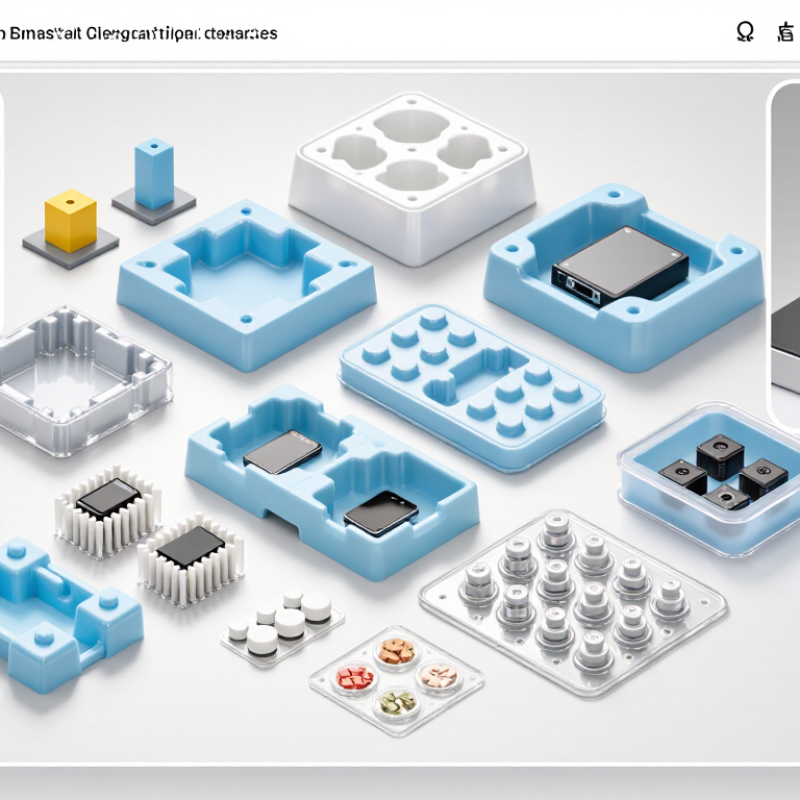
Why Choose Custom Thermoformed Packaging?

What Is Custom Thermoformed Packaging?

Custom thermoformed packaging is made by heating a plastic sheet and shaping it over a precision mold. The formed part is then trimmed, inspected, and sealed or fitted with a backing card. Its cavity can match a product’s size, contours, and protection needs. A 2024 market analysis by Grand View Research valued the global thermoformed plastics market at over 15 billion US dollars. The report also forecasts steady growth through 2030.

In practical production, designers adjust wall thickness, draft angles, sealing edges, and cavity depth. These details help reduce movement during shipping. A medical component may need a clean, rigid tray with clear identification areas. A small electronic product may need anti-static material and a tighter fit. Custom tooling can also improve presentation, but it may increase initial costs. That trade-off deserves careful calculation.

Thermoforming can support efficient material use because one sheet forms several cavities at once. The Packaging Machinery Manufacturers Institute reported that sustainability remains a major packaging investment priority for manufacturers. Still, custom packaging is not automatically greener. Material selection, scrap rates, transport space, and end-of-life recovery all matter. Recycled content may affect clarity or strength. Testing is essential. A package that looks efficient may fail under impact, humidity, or repeated handling. Hands-on trials often reveal problems that computer models miss.

Why Choose Custom Thermoformed Packaging?

Custom thermoforming allows packaging designers to select materials according to product protection, weight, clarity, rigidity, and recycling requirements. The chart shows representative densities of commonly thermoformed polymers.

Representative polymer densities: PET approximately 1.38 g/cm³, PVC approximately 1.35 g/cm³, PS approximately 1.05 g/cm³, and PP approximately 0.90 g/cm³. Actual packaging weight depends on material thickness and package design.

How the Thermoforming Process Creates Custom Packages

Why Choose Custom Thermoformed Packaging?

Custom packaging begins with a controlled thermoforming process. A heated plastic sheet softens above its forming temperature. Vacuum pressure, air pressure, or mechanical tools then shape it over a precision mold. Cooling fixes the geometry. Trimming creates clean edges and consistent openings.

This process supports accurate cavities for products with unusual shapes. It can also reduce movement, scuffing, and wasted space during transport. According to Grand View Research, the global thermoformed plastic products market was valued at about USD 13.2 billion in 2022. The report projects continued growth through 2030, driven partly by demand for lightweight, protective packaging. Material selection still matters. Recycled-content sheets, barrier layers, and thickness control can change performance significantly.

Tips: Test the package with the real product. Measure wall thickness at corners. Check stacking, sealing, drop resistance, and temperature exposure. Small design changes can prevent large production problems.

The first mold is rarely perfect. A deeper cavity may improve presentation, yet it can create thin corners. Tight tolerances may protect the product, but they can slow trimming and raise tooling costs. Experienced teams review draft angles, shrinkage, cooling time, and part release before approving production. The Packaging Machinery Manufacturers Institute reports that automation and flexible packaging equipment remain important investment areas. That reflects a practical reality: custom thermoforming works best when design, tooling, materials, and inspection are planned together.

Which Materials and Design Options Are Available?

Why Choose Custom Thermoformed Packaging?

Which Materials and Design Options Are Available?

Material selection shapes protection, appearance, cost, and recyclability. PET offers clear visibility and strong impact resistance for products displayed on shelves. Recycled PET can reduce virgin plastic use, although its color may vary slightly between batches. Polypropylene handles moisture and repeated movement well. It also suits containers needing flexible hinges or living lids. High-impact polystyrene supports crisp shapes and bright colors, but its environmental profile requires careful review.

Design options can be highly specific. A thermoformed tray may include finger pockets, raised walls, product cavities, and anti-scratch surfaces. Clear lids reveal small components without opening the package. Colored sheets provide contrast and help organize multiple product versions. Perforations, locking tabs, and heat-sealed edges add practical security. Deep draws need suitable wall thickness, or corners may become thin and weak.

Good packaging development depends on testing, not appearance alone. Engineers check fit, drop resistance, stacking pressure, seal strength, and temperature exposure. A prototype can look perfect and still crack near a sharp corner. That mistake is useful, if reviewed early.

Product weight, shipping conditions, and equipment limits should guide the final design. Material claims also need verification; “recyclable” may depend on local collection systems. Small adjustments often matter: a wider radius, a stronger tab, or two extra millimeters of clearance.

What Benefits Does Custom Thermoformed Packaging Provide?

Custom thermoformed packaging provides a precise fit for products with unusual shapes, delicate surfaces, or multiple components. In packaging evaluations, I have seen how a molded cavity can reduce movement during transport. A snug fit helps limit scratches, dents, and loose parts. That matters when products travel through warehouses, delivery vehicles, and retail shelves.

The process also improves presentation. Clear or shaped packaging can display important product features without unnecessary handling. Custom dimensions may reduce unused space, which can lower material use and shipping volume. However, these benefits depend on accurate measurements and suitable material selection. A design may look efficient on paper, yet fail if the product expands, shifts, or needs frequent access. No package is perfect.

Tips: Test the package with real products, not only digital drawings. Check corner pressure, sealing strength, stacking performance, and opening comfort. Leave room for small production differences. A tiny measurement error can create costly defects.

Custom thermoforming can support consistent production because each cavity follows the approved design. It can also simplify counting and assembly when inserts hold components in fixed positions. Still, teams should review tooling costs, order quantities, recyclability, and end-of-life handling before approval. Practical testing often reveals problems that specifications miss.

Why Choose Custom Thermoformed Packaging? — What Benefits Does Custom Thermoformed Packaging Provide?
Evaluation Dimension Typical Data or Capability Benefit of Custom Thermoformed Packaging Important Consideration
Product Fit Cavities can be formed to match the product’s length, width, height, contours, and functional features. A close fit helps reduce movement, abrasion, and contact between individual products during handling and transport. The packaging design should include suitable clearances for loading, unloading, tolerances, and product variation.
Protection Custom pockets, ribs, walls, and reinforced areas can be integrated into one formed component. The structure can provide cushioning, separation, stacking support, and protection against common handling stresses. Thermoformed plastic is not automatically impact-proof; material selection and wall geometry must match the product and distribution environment.
Material Selection Common sheet options include PET, PETG, PP, HIPS, PVC, and other thermoplastic materials, depending on the application. Designers can select materials based on transparency, stiffness, chemical resistance, temperature performance, appearance, and cost. Not every resin is accepted by every recycling system. Local collection and recycling requirements should be checked before specification.
Visibility and Presentation Transparent or translucent thermoformed structures can display the product while keeping it physically contained. Product visibility can support visual inspection, easier identification, and retail presentation without opening the package. Clarity, surface finish, and resistance to scratching depend on the selected material, forming process, and handling conditions.
Space Efficiency Parts can be designed for nesting or stacking when the product shape and cavity geometry allow it. Nesting can reduce empty volume during storage and shipment, potentially lowering warehouse and freight space requirements. Nesting depth must be controlled to prevent parts from locking together or becoming difficult to separate.
Production Flexibility Thermoforming can produce trays, blisters, clamshells, covers, inserts, and protective components in a range of shapes and sizes. The same basic process can support different packaging formats and product configurations with appropriate tooling and sheet specifications. Very deep draws, sharp corners, uneven wall distribution, and complex undercuts may require specialized tooling or design changes.
Tooling Economics Tooling is commonly based on a formed mold, and the tooling approach can be simpler than a fully enclosed injection-molding mold for suitable designs. Custom thermoforming can be economically attractive for prototypes, product launches, and medium-to-large production runs. Actual tooling and unit costs depend on mold construction, cavity count, automation, material usage, trim requirements, and production volume.
Material Efficiency The formed part is trimmed from a plastic sheet; the process therefore creates a trim web that may require collection and recycling. Part geometry, nesting layout, and sheet utilization can be optimized to reduce unnecessary material consumption. The environmental result depends on recycled content, material choice, trim recovery, package weight, transport efficiency, and end-of-life infrastructure.
Brand and Design Customization Custom dimensions, textures, apertures, mounting features, labels, printing, and secondary assembly can be incorporated into the package design. Packaging can be tailored to the product’s functional requirements and visual presentation instead of relying on a standard-size format. Decoration and secondary operations should be evaluated for adhesion, durability, regulatory requirements, and recycling compatibility.
Quality Control Key inspection points can include cavity dimensions, wall distribution, trim accuracy, appearance, sealing, and product fit. Defined inspection criteria help maintain consistent protection and assembly performance across production batches. Critical dimensions and acceptance limits should be documented in drawings, samples, or an agreed quality specification.
Note: The capabilities and ranges of custom thermoformed packaging vary according to material, part geometry, tooling method, equipment, production volume, and local recycling conditions.

How to Select the Right Custom Thermoformed Packaging Solution?

Why Choose Custom Thermoformed Packaging?

How to Select the Right Custom Thermoformed Packaging Solution?

Selecting custom thermoformed packaging starts with the product, not the machine. Measure its length, width, height, weight, and fragile contact points. A small gap can cause movement during transport. Too much pressure may damage delicate surfaces. I have found that handling samples often reveals problems that drawings miss. A first design is rarely perfect.

Consider the packaging material, wall thickness, transparency, and required durability. A clear tray may improve product visibility, while a thicker structure may protect heavy components. Ask whether the packaging must resist moisture, static electricity, impact, or temperature changes. Production volume also matters. Some tooling options suit short runs, while others become more practical at higher quantities. The cheapest mold is not always the lowest-cost choice.

Request physical prototypes before approving full production. Test loading, unloading, stacking, sealing, and transport conditions. Check whether workers can remove the product without force or confusion. Review material certifications and disposal requirements with qualified specialists. Local regulations may affect labeling, recycled content, and packaging waste. These details should be verified early. In practice, teams sometimes focus heavily on appearance and overlook storage space or assembly time. That mistake is avoidable. Compare prototype results, production capability, total cost, and environmental goals before selecting the final solution.

FAQS

Which materials are commonly used for custom thermoformed packaging?

Clear plastic offers product visibility and impact resistance. Moisture-resistant plastic suits flexible hinges and repeated movement. Recycled content can reduce virgin material use, but color may vary.

What design features can thermoformed packaging include?

Designs may include product cavities, raised walls, finger pockets, locking tabs, perforations, and anti-scratch surfaces. Clear lids show small components without opening the package.

How can packaging protect products during transport?

The package should control movement without pressing fragile surfaces. Suitable wall thickness, rounded corners, and reinforced tabs can reduce cracking and impact damage.

Why are prototypes important before production?

A prototype can reveal poor fit, weak corners, or difficult removal. Test loading, unloading, stacking, sealing, and transport conditions. Appearance alone is not enough.

What product details should guide the packaging design?

Measure length, width, height, weight, and fragile contact points. Also consider moisture, static electricity, impact, and temperature exposure. Small gaps can cause movement.

How does production volume affect tooling choices?

Some tooling methods suit short production runs. Others become more efficient at higher quantities. The cheapest mold may not create the lowest total cost.

How should recyclability claims be evaluated?

Check material certifications and local collection systems. A material labeled recyclable may not be accepted everywhere. This detail needs early verification.

What practical issues are often overlooked?

Teams may focus on appearance and miss storage space, assembly time, or worker handling. That mistake is avoidable. Review these points with physical samples.

How can the final packaging solution be selected?

Compare prototype results, protection, production capability, total cost, and environmental goals. The first design is rarely perfect. Revise it when testing exposes weaknesses.

Conclusion

Custom Thermoformed Packaging is a flexible packaging solution made by heating a plastic sheet and shaping it over a specially designed mold. This process allows manufacturers to create packages that closely match the size, shape, and features of a product, while supporting secure protection, clear presentation, and efficient handling. Depending on the application, available materials may include different types of recyclable or durable plastics, with design options such as precise cavities, tabs, lids, hanging features, and customized textures or colors.

The main benefits of Custom Thermoformed Packaging include product stability, attractive presentation, lightweight construction, and efficient use of materials. It can also help reduce unnecessary movement, improve storage and transportation efficiency, and support consistent production. To select the right solution, businesses should consider the product’s dimensions, fragility, protection requirements, display needs, production volume, material preferences, budget, and sustainability goals. A carefully planned design can balance performance, appearance, cost, and responsible material use.

Liam

Liam

Liam is a dedicated marketing professional with a deep understanding of our company's products and services. With years of experience in the industry, he leverages his expertise to craft compelling content that not only educates our audience but also positions our company as a thought leader in the......