Industry Knowledge & News
Packaging Insights & Updates
Discover expert advice, technical guides, industry trends, and innovations in custom packaging, thermoforming, and supply chain fulfillment.
Blog
10 Packaging Structural Design Tips for Global Buyers
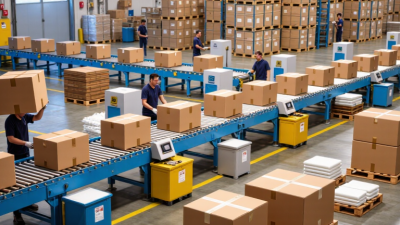
Packaging Structural Design is where a product’s journey begins, not where a box merely takes shape. For global buyers, the structure must protect products across handling, stacking, humidity, temperature changes, and long-distance transport. A carton that survives a warehouse may still fail on a wet loading dock. Small details matter. Board grade, crease depth, locking strength, and internal clearance can change the result.
Walter Soroka, author of Fundamentals of Packaging Technology, defines packaging as “a coordinated system of preparing goods for transport, distribution, storage, retailing, and end use.” His definition remains valuable because it connects structure with the entire supply chain. This guide applies that broader view to Packaging Structural Design. It considers assembly speed, pallet efficiency, opening experience, material use, and communication with manufacturers. These factors help global buyers compare proposals with greater confidence.
No design is perfect. A clever dieline may complicate production. A lighter carton may reduce cost but increase damage risk. Even tested samples can behave differently during seasonal shipping. That uncertainty deserves attention, not convenient assumptions. The following tips focus on practical decisions that can be measured, tested, and improved. They also highlight common oversights, such as weak corners, unclear tolerances, and insufficient protection around fragile surfaces. Reliable packaging should look efficient, feel stable, and perform consistently before it reaches a customer’s hands. Mistakes can happen. Good structure makes them less expensive.
Read more »
 By:Ava
- October 18, 2026

What Is Last Mile Delivery Packaging?
What Is Last Mile Delivery Packaging?
Last Mile Delivery Packaging protects products during the final journey to a customer’s door. It must survive sorting belts, van floors, rain, drops, and repeated handling. This packaging also shapes the unboxing experience. A crushed carton can damage trust before the product is used.
The scale is difficult to ignore. Pitney Bowes reported 161.1 billion parcels worldwide in its 2024 Parcel Shipping Index. The World Economic Forum’s Future of the Last-Mile Ecosystem projects significantly higher urban delivery demand by 2030. More parcels mean more cardboard, plastic films, void fill, and transport emissions. Packaging design therefore affects cost, damage rates, warehouse speed, and environmental performance.
“Waste is a design flaw,” says Tom Szaky, founder of TerraCycle. His statement challenges brands to examine every layer, from oversized boxes to unnecessary inserts. The best solution is not always a recyclable material. A smaller box may reduce transport space, while stronger paperboard may prevent a replacement shipment. Both choices matter.
The answer is not perfectly clean. Reusable packaging can require reverse logistics, washing, and customer participation. Recyclable packaging may still be rejected by local facilities. Good Last Mile Delivery Packaging balances protection, material efficiency, operational reality, and clear disposal guidance. This article examines its meaning, key formats, design decisions, sustainability limits, and measurable business value. Small details matter. A snug fit can prevent movement, reduce damage, and leave less empty air inside every delivery.
Read more »
 By:Liam
- October 13, 2026
Why Choose Custom Thermoformed Packaging?
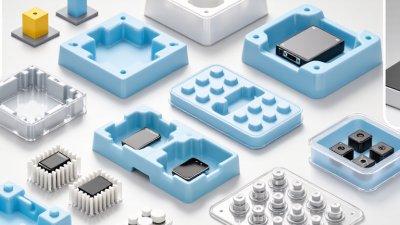
Custom Thermoformed Packaging gives brands more control over product protection, presentation, and production efficiency. It is shaped around a product, rather than forcing the product into a standard container. This approach can reduce movement inside the pack, helping prevent scratches, crushing, and unnecessary returns. A molded tray can hold each component securely, even during warehouse handling and long-distance shipping.
Experienced packaging teams study product dimensions, weight, fragility, and opening behavior before recommending a design. They may test different plastics, wall thicknesses, seals, and cushioning features. Small changes matter. A tighter cavity can improve stability, while a poorly placed edge may make removal frustrating. Practical trials often reveal problems that drawings cannot show.
Custom Thermoformed Packaging can also support clear branding and organized displays. Transparent materials help customers inspect the product without opening the pack. Recyclability, material reduction, and production waste deserve equal attention. The cheapest design is not always the most responsible choice. Nor is the most attractive package automatically the most functional.
Reliable suppliers document material specifications and inspect samples before full production. They should communicate realistic tolerances, lead times, and performance expectations. Independent testing can assess drop resistance, temperature exposure, and seal integrity when needed. These steps build confidence, but no package is perfect. Design decisions should be reviewed after real customer feedback. A useful package protects the product, respects the user, and performs consistently from factory floor to final delivery.
Read more »
By:Liam
- October 8, 2026
Why Choose Sustainable Packaging Solutions for Buyers?
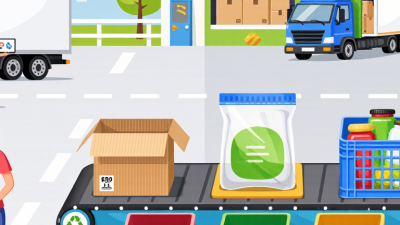
Buyers are under growing pressure to reduce packaging waste without sacrificing protection, cost, or product appeal. Sustainable Packaging Solutions can support that balance when decisions begin with evidence, not attractive labels. The OECD’s Global Plastics Outlook reports that global plastic waste doubled between 2000 and 2019, while only 9% was recycled. That gap makes packaging procurement a measurable business responsibility.
The practical question is simple: what happens after delivery? A buyer may receive a small component inside a padded mailer, surrounded by oversized cartons and plastic film. Material weight, recycled content, reuse potential, and local recovery systems all matter. The Ellen MacArthur Foundation’s 2023 Global Commitment progress report shows that major companies continue reporting challenges in reducing virgin plastic and improving circularity. Progress exists. It remains uneven.
Consumers also notice packaging choices. IBM’s Institute for Business Value found that 57% of surveyed consumers were willing to change purchasing habits to reduce environmental impact. However, willingness does not guarantee repeat purchases. Packaging must still protect goods, communicate quality, and remain financially practical. No solution is perfect.
A reliable evaluation should compare the full life cycle, including manufacturing, transport, storage, use, and disposal. Buyers should request supplier data, testing results, recycled-content evidence, and clear disposal instructions. A compostable pouch may fail where industrial composting is unavailable. A heavier reusable container may create higher transport emissions. These details deserve scrutiny. Sustainable Packaging Solutions are strongest when they combine verified performance with realistic local infrastructure. The goal is not merely greener appearance. It is better purchasing evidence, fewer unnecessary materials, and packaging that performs responsibly from warehouse shelf to customer doorstep.
Read more »
 By:Ethan
- October 3, 2026
China Top 10 Product Kitting and Fulfillment Services
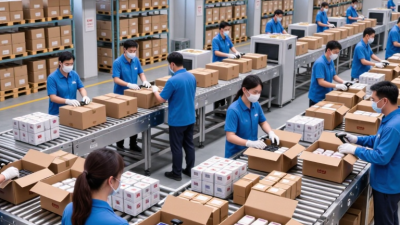
Product Kitting and Fulfillment Services can turn separate items into ready-to-ship kits, bundles, or subscription boxes. In China, these providers may also coordinate sourcing, assembly, labeling, storage, and order dispatch. The work is tangible: a barcode scanned, inserts placed, cartons sealed, and inventory updated. Small handling errors can still affect delivery speed and customer experience.
Supply chain scholar Martin Christopher is widely associated with the observation, “The real competition is not company against company but supply chain against supply chain.” That idea helps explain why kitting deserves careful evaluation. A provider’s value depends not only on packing speed, but also on inventory accuracy, clear communication, and reliable handoffs between teams. Details matter.
This overview of China’s top 10 Product Kitting and Fulfillment Services providers is intended to help buyers compare capabilities, not promise identical results. Look at each company’s service scope, facility locations, quality checks, technology, and experience with your product type. Ask how it handles peak-season volume and corrections when an order is packed incorrectly. A polished website proves little. One limitation is that public profiles rarely reveal everyday process consistency; a sample order and specific operational questions can provide a more grounded view.
Read more »
By:Ethan
- September 28, 2026
What Are the Top Point of Purchase Displays?
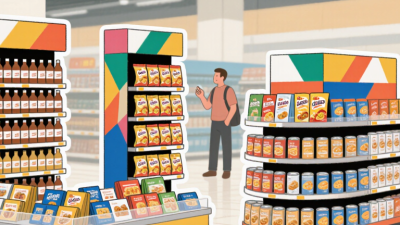
Point of Purchase Displays shape what shoppers notice, touch, and remember near the buying decision. They can turn an ordinary shelf into a clear product story. A well-designed display may use height, color, lighting, and concise messaging to guide attention without creating confusion.
The strongest Point of Purchase Displays match the product, store layout, and customer behavior. Countertop units suit small accessories and impulse purchases. Floor displays create visibility in wider aisles. End-cap displays can attract passing shoppers, while interactive units encourage product exploration. Each format requires practical planning, including stability, assembly time, product capacity, and replenishment access.
A bright display can still fail.
Too much color may hide the message. A beautiful structure may also waste valuable floor space. Experienced merchandising teams usually test visibility from several distances, especially from a busy aisle. They check whether customers can understand the offer within a few seconds. Sales data, shopper feedback, and staff observations provide stronger evidence than appearance alone.
This guide explores the top types of Point of Purchase Displays and explains where each option performs best. It considers materials, placement, branding, durability, and measurable retail outcomes. The “best” display is not universal. A compact counter unit may outperform a large installation when space is limited. Seasonal campaigns may also need faster, simpler solutions.
Real results depend on execution.
Retailers should compare design appeal with cost, maintenance, accessibility, and customer convenience. A reliable display supports the shopping experience instead of interrupting it. The following sections examine practical choices, common weaknesses, and selection principles that help brands make more informed decisions.
Read more »
By:Ava
- September 23, 2026

What Are Thermoformed Plastic Trays Used For?
Thermoformed Plastic Trays are practical packaging and handling solutions shaped from heated plastic sheets. Manufacturers use them to protect products during storage, transport, assembly, and retail display. Their molded cavities hold items securely, reducing movement, surface scratches, and stacking damage.
Common applications include electronics, automotive components, cosmetics, food products, and medical-device packaging. A tray may separate tiny connectors, support a smartphone during shipment, or present chocolates neatly in a display box. Dimensions can be tailored to the product. Material choice also matters. PET, PP, PVC, and recycled plastics offer different levels of clarity, rigidity, chemical resistance, and temperature tolerance.
In real production, tray performance depends on more than appearance. Engineers examine wall thickness, corner strength, nesting efficiency, and compatibility with automated equipment. Experienced packaging teams often test filled trays through vibration, compression, and drop conditions before approval. Small design details matter. Rounded corners can reduce stress, while carefully placed ribs can improve stiffness without adding much material.
Not every application suits thermoforming. Very heavy parts may require reinforced packaging or another process. Early prototypes can also expose unexpected warping, sharp edges, or poor product release. That is why reliable suppliers document material specifications, tooling limits, and quality checks. Recyclability should be reviewed honestly, because local collection systems may not accept every plastic type. A useful tray protects the product, supports efficient handling, and avoids unnecessary material whenever practical.
Read more »
By:Liam
- September 18, 2026
2026 Top Custom Blister Packaging Solutions for Global Buyers?
In today's competitive market, Custom Blister Packaging has emerged as a crucial solution for various industries. This packaging method ensures product visibility while providing protection. Global buyers are increasingly seeking innovative designs that cater to their unique needs. The rise of e-commerce has added pressure for brands to stand out on digital platforms.
Custom Blister Packaging allows brands to create tailored solutions that highlight their products. It combines functionality with aesthetics, meeting consumer demands for both safety and appeal. However, sourcing the right packaging can be a challenge. Many buyers face complexities like material selection and design limitations. They must weigh cost against quality and sustainability.
As we delve into the 2026 top custom blister packaging solutions, we highlight options that balance innovation and reliability. These options reflect industry trends and buyer requirements. They offer insights into how businesses can improve packaging effectiveness. The future demands adaptability, pushing brands to reassess their current practices.
Read more »
By:Ava
- August 27, 2026

Top 10 Custom Clamshell Packaging Options for Your Business?
In today's competitive market, businesses strive for packaging solutions that capture attention and provide functionality. Custom Clamshell Packaging stands out as an innovative choice for many brands. This type of packaging not only showcases products well but also offers robust protection during transport. It caters to various industries, from electronics to food, ensuring items remain safe and appealing.
Choosing the right clamshell design can be overwhelming. There are many options available, each with unique advantages. Some may offer better visibility, while others focus on sustainability. These decisions can impact brand perception and customer satisfaction. It's important to reflect on your specific needs before making a choice.
Investing in Custom Clamshell Packaging can elevate your brand. However, businesses must balance aesthetics with practicality. The right packaging reflects your values and meets consumer expectations. In this dynamic landscape, your selection might define your success.
Read more »
By:Ava
- August 27, 2026

Top 10 Turnkey Packaging Solutions for Global Buyers?
In today's fast-paced global market, efficiency and versatility are paramount. Buyers seek comprehensive solutions that simplify their operations. Turnkey Packaging Solutions have gained traction as vital tools for businesses aiming to streamline packaging processes. These solutions provide affordability, flexibility, and efficiency, catering to diverse industry needs.
Finding the right packaging partner is crucial. Different solutions vary significantly in quality and innovation. Understanding what works best requires research and clear communication. Businesses may hesitate due to the abundance of options. Sometimes, the perfect fit can remain elusive. This uncertainty necessitates careful examination of each potential partner's capabilities.
Still, Turnkey Packaging Solutions have the potential to transform operations. They enable companies to focus on core activities while streamlining logistics. Customizable options allow businesses to adapt quickly to market changes. The right solutions not only enhance productivity but also appeal to customers. Investing in the right packaging can yield significant returns.
Read more »
By:Ethan
- August 27, 2026